
Optomechanical Control System for Laser Research Infrastructure

High-Tech Equipment Operations

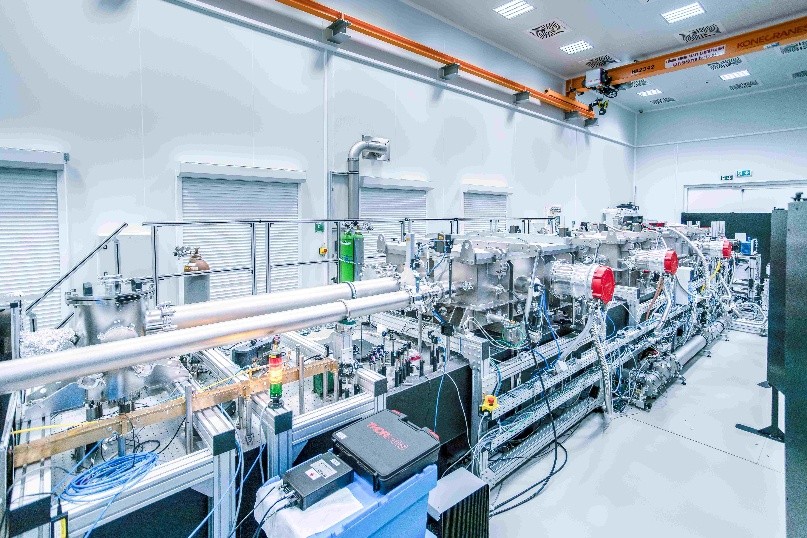
The ELI ALPS use case focuses on an optomechanical subsystem used in laser research infrastructure, which includes around 60 controllable devices such as motors and cameras.

The subsystem is used for beam path configuration, beam quality adjustment, and operation monitoring and archiving, all carried out while respecting machine protection constraints. Within MONA LISA, a root cause analysis tool is being deployed to support faster incident response and to help discover and correct errors.

Partner

ELI Attosecond Light Pulse Source (ELI ALPS)

Website

Background

The Extreme Light Infrastructure (ELI) is part of the European plan to build the next generation of large research facilities selected by the European Strategy Forum on Research Infrastructures (ESFRI). ELI is the world's first infrastructure capable of investigating light–matter interactions at the highest intensity, in the so-called ultra-relativistic range.

The ELI Attosecond Light Pulse Source (ELI ALPS) is a unique attosecond facility that provides ultrashort light pulses from the THz to the X-ray frequency range with a high repetition rate for researchers and end users.


Objective

The objective of this use case is to contribute to improving the design, operation and maintenance of engineering systems at ELI ALPS. By increasing the reliability of its research equipment, ELI aims to provide a more sustainable, more reliable and overall higher-quality service to its users.


Technical objectives

The main technical objectives of the ELI use case are:

Deploying and operating a root cause analysis tool for the optomechanical subsystem,

Enabling quicker incident response,

Supporting the discovery and correction of errors.